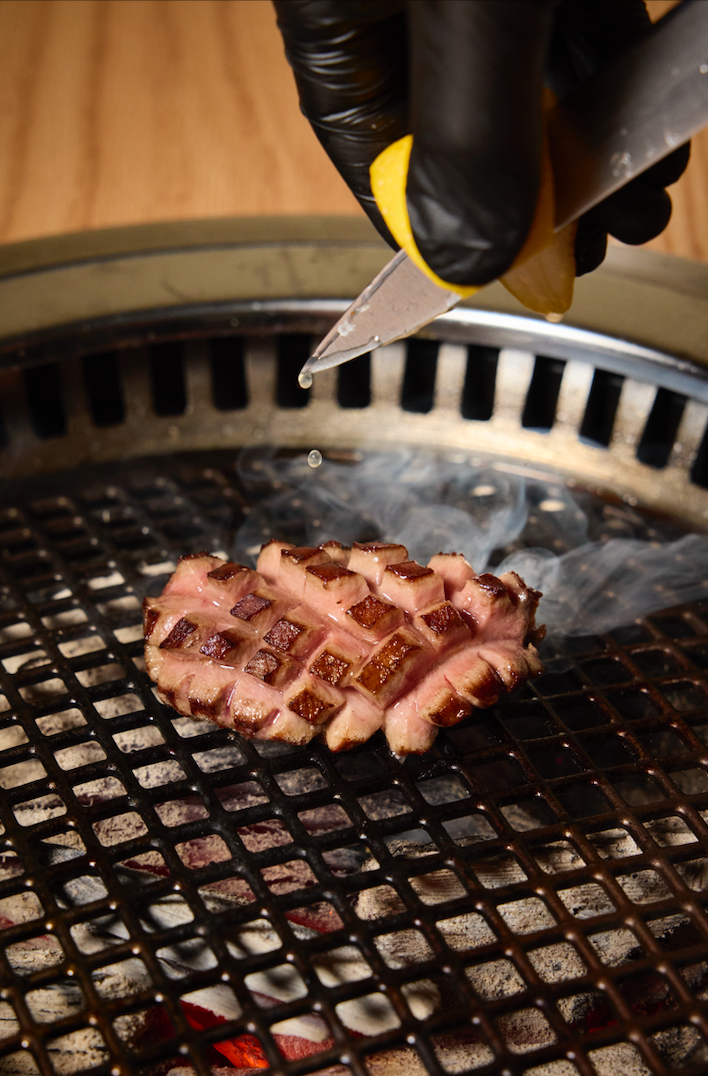
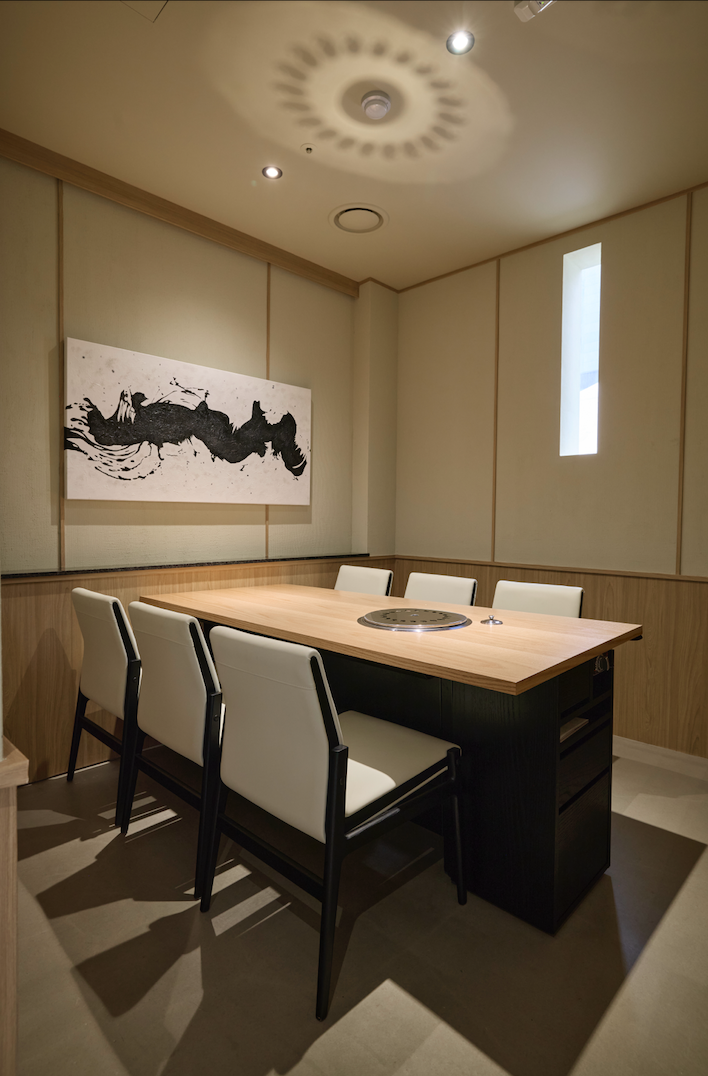
Korean BBQ in Seoul can be approached by the cut and preparation, not just a restaurant list. At Seolya Galbi Cheongdam, this guide focuses on what the boneless weight tells you for a party with different meat preferences.
What the boneless weight tells you
Both signature rib dishes are weighed after the bone is removed. The 100g listing therefore describes the edible cut being priced rather than a bone-in rack. This is useful when travelers compare menus across restaurants, because equal printed weights can describe different formats.
Write down whether a comparison is boneless or bone-in before deciding that one listing provides more meat. The weight unit also does not say how much each guest should eat. Total quantity and the addition of rice, soup or noodles remain separate choices.
Different meat preferences
When friends want different cuts or preparations, collect those preferences before turning the menu into a shared order. One guest may want the house marinade while another wants a plain preparation or a different cut. Their choices can be recorded without assigning the most expensive entry to everyone.
Keep the exact dish names and units in the note. A shared meal does not require an invented tasting package, and price alone is not a reliable statement of what each person will enjoy.
Keep this detail with the plan
| Part of the plan | What to keep visible |
|---|---|
| Menu or restaurant detail | The two signature rib prices use boneless weight. |
| Travel situation | different meat preferences |
| Where to verify it | Official faq page |